

What's app & Call Number: +91 9350567403 , Emergency Number: +91 8816013075

info@char-dham-yatra.in
What's app & Call Number: +91 9350567403 , Emergency Number: +91 8816013075
info@char-dham-yatra.in
 Tour
Kedarnath Badrinath Ex-Haridwar
Tour
Kedarnath Badrinath Ex-Haridwar
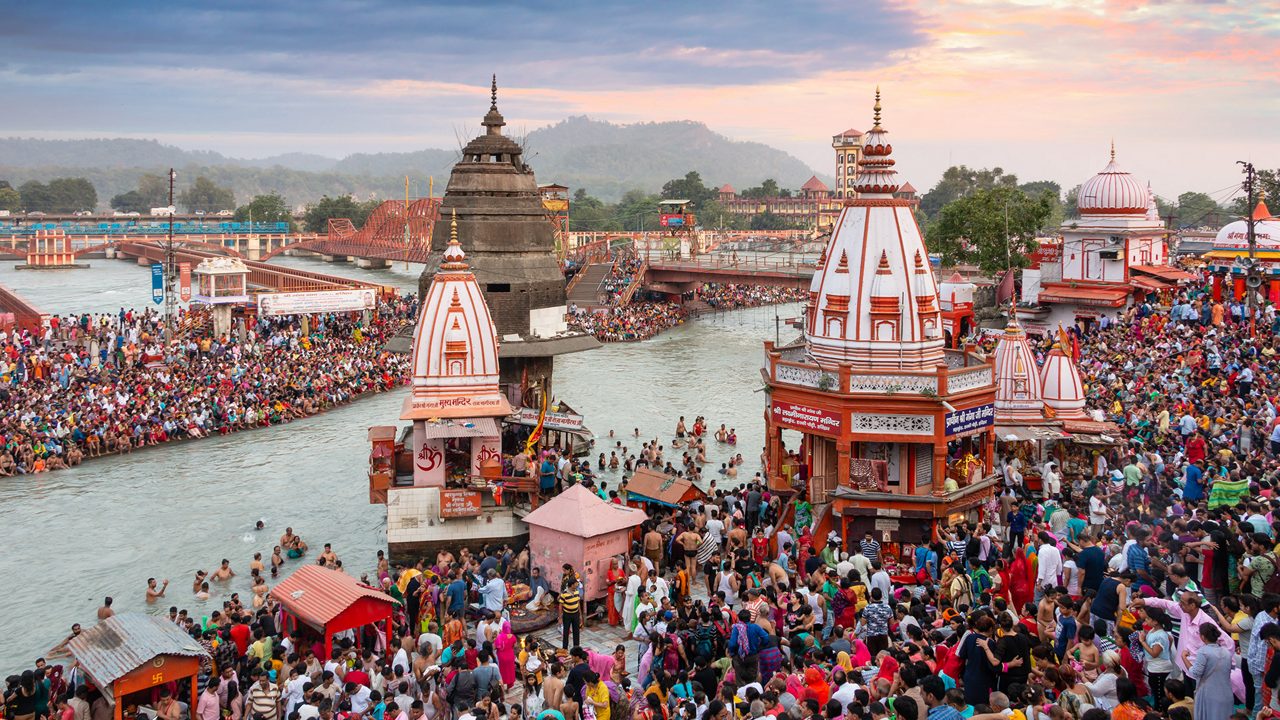
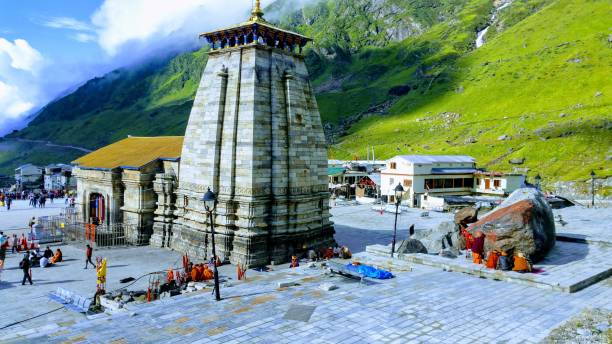
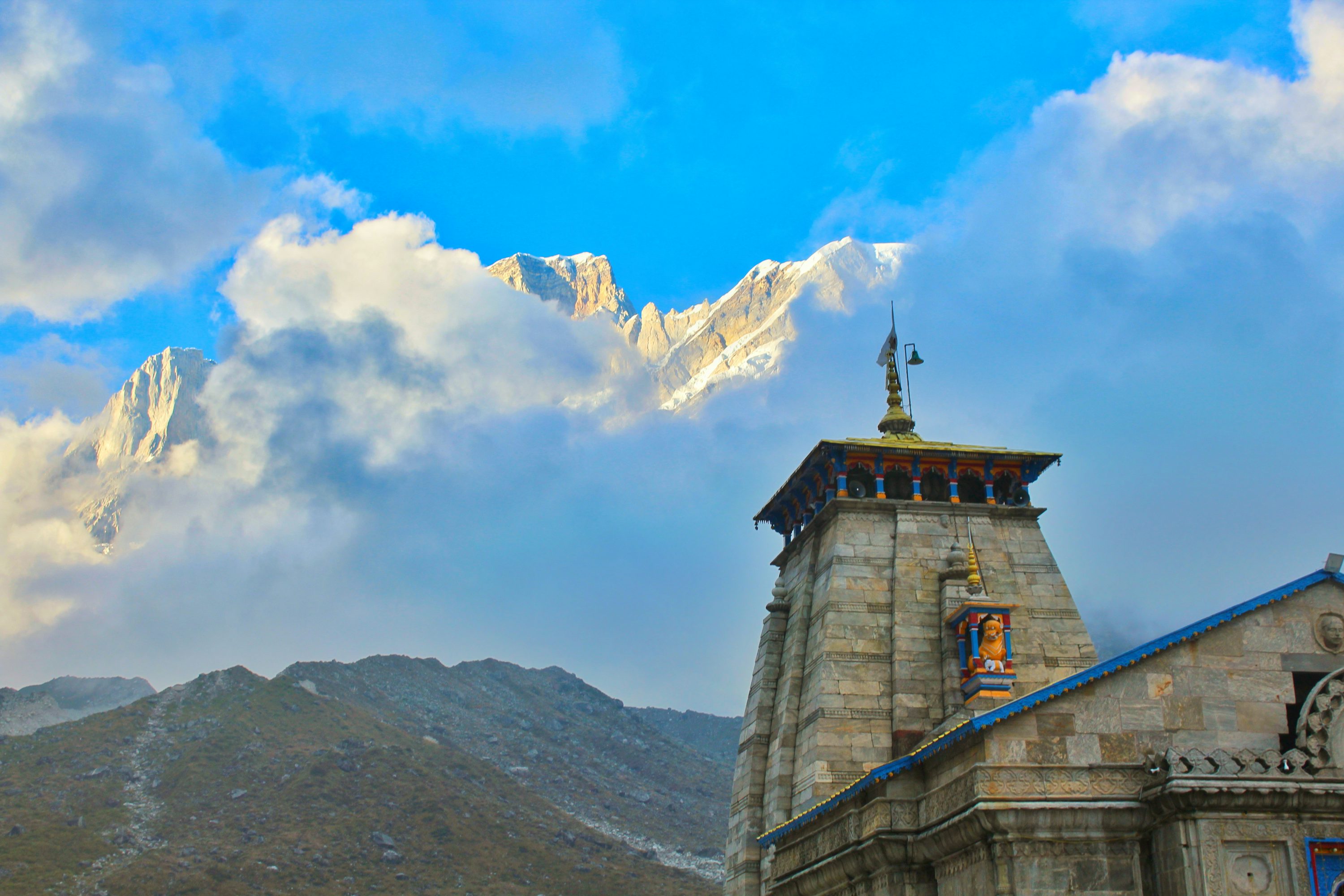
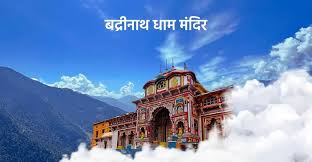
The Kedarnath Badrinath Ex-Haridwar pilgrimage package is for people who want to visit two of the holiest places in Uttarakhand in a comfortable and well-planned way. One of India's holiest towns, Haridwar, is the start of this yatra. It takes travelers from the plains to the Himalayas, where they can experience devotion, natural beauty, and inner peace. Kedarnath, the holy Jyotirlinga of Lord Shiva, and Badrinath, the holy home of Lord Vishnu, are both on the trip. This trip is a wonderful spiritual journey.
Long trips are easier to handle if you start from Haridwar. It also expedites your acclimatization to the area. The path goes up slowly and takes you through lovely river slopes, forests, and mountain towns like Guptkashi and Joshimath. The plan ensures everyone's safety and comfort, particularly families and older people. There is a good mix of drive time, rest breaks, and overnight stops. The walk to Kedarnath from Gaurikund is well planned, and you can even rent ponies, palkis, or helicopters to make things easier. It is easy to drive to Badrinath, and the darshan experience is quiet and set in beautiful Himalayan scenery.
Now that pilgrims don't have to worry about how they're going to get there, they can focus on prayer and worship. It includes planned transportation, clean lodging, healthy meals, and skilled drivers who know how to drive on mountain roads. Kedarnath Badrinath Ex-Haridwar is a great pilgrimage for people who want a well-rounded experience that includes spiritual growth, comfort, and the beauty of the Himalayas that will never fade.
1. A Holy Trip to Kedarnath and Badrinath
The journey takes you to Kedarnath and Badrinath, where you can pray to both Lord Shiva and Lord Vishnu for help. Along the Himalayas is a trip that is both spiritually and deeply satisfying.
2. Convenient Starting Point from Haridwar
Pilgrims who come from nearby towns or connect from big cities can make the trip easier by starting the yatra in Haridwar. This cuts down on journey time and tiredness.
3. Scenic Himalayan Road Journey
Beautiful views of rivers, forests, and mountains can be seen on the drive, which makes the trip more peaceful and adds to the spiritual meaning of the trek.
4. Gradual Altitude Acclimatization
Travelers can acclimate to high altitudes naturally and reduce health risks, especially for older people and first-time visitors to the Himalayas, by taking the road.
5. Guided Support for Kedarnath Trek
When you walk to Kedarnath from Gaurikund, you'll get some basic knowledge and help. People on the pilgrimage can book their own pony, palki, or helicopter rides if they need extra help moving around.
6. Clean Accommodation and Vegetarian Meals
At every important stop along the way, pilgrims can stay in clean places and eat safe vegetarian food. They stay relaxed, get enough rest, and are full of energy the whole trip.
7. Assistance During Temple Darshan
Staff on the ground help plan trips to the sites and make sure that the right steps are taken for darshan and that local rules are followed. This makes sure that both holy places are visited in a smooth, well-planned, and polite way.
8. Suitable for Families and Senior Citizens
Because it has a well-thought-out plan, breaks for rest, and organized help, this yatra is good for families, older people, and devotees who want a peaceful and reasonable journey.
| What’s Included | What’s Excluded |
|---|---|
| The Kedarnath Badrinath Ex-Haridwar package has been carefully put together to include all the services you need for a smooth, pleasant, and spiritually fulfilling journey. From Haridwar, pilgrims are taken on organized road trips in well-kept cars driven by skilled mountain drivers who know how to handle the Himalayan weather and terrain. You can stay in clean, comfortable hotels or guesthouses at every big stop on the pilgrimage route. You can get a veggie lunch every day to keep your energy up on long trips and physically demanding activities. The plan is well thought out, with equal amounts of travel time, rest breaks, and places to stay the night to lower the risk of getting sick or tired. During the trip, pilgrims can get simple help with things like visiting temples, doing darshan, and planning their routes. People who are going on the Kedarnath walk can get information and help from Gaurikund. Coordination on the ground is ready to help with daily plans and give details when needed. We plan all services realistically, considering the limits of the area. This way, pilgrims can focus on their spiritual link and devotion instead of worrying about how to get there | The Haridwar Kedarnath Badrinath Yatra plan takes care of most of the key issues; however, there are a few things it doesn't cover. The package does not cover personal spending like shopping, souvenirs, and other fun things to do. You will need to purchase your own travel insurance to cover medical issues, delays, or cancellations that come up out of the blue. During the yatra, the pilgrim is responsible for any medical care that goes beyond basic first aid. Extra meals, snacks, drinks, or other dietary demands that the daily meals don't meet are not included. You have to pay for extra services like mule or pony rides for the Kedarnath walk, extra help with the porters, or extra support for trekking. Because they are not offered, pilgrims must bring their own clothes, toiletries, electronics, and other things they require. The pilgrims are responsible for any unexpected fees that come up because of severe weather, natural disasters, or alterations to the path that weren't anticipated. Devotees need to prepare ahead because the package does not contain cash for presents, local purchases, or emergencies. If pilgrims know about these exceptions, they can better organize their trip and prevent surprises. This makes their spiritual journey easier, more pleasant, and more focused on worship than on logistics. If you plan ahead for these personal and extra charges, your Himalayan yatra will be fun and stress-free. |
| 1. Haridwar to Haridwar Road Transportation The price of the plan includes all transportation by road from Haridwar to Kedarnath and Badrinath and back. The cars are nice, and the drivers know how to drive in the Himalayas and are skilled at it. | 1. Personal Expenses Each pilgrim is responsible for making their own plans for shopping, presents, and other pleasurable things that aren't in the yatra's schedule. |
| 2. Clean and Comfortable Accommodation At all the big stops, pilgrims can stay in clean hotels or guesthouses with the bare necessities. This way, they can rest and relax after long days of travel. | 2. Travel Insurance If you require travel insurance to cover unplanned medical problems, trip disruptions, or cancellations, you have to acquire it separately. |
| 3. Daily Hygienic Vegetarian Meals Pilgrims will get vegetarian foods every day, usually breakfast and dinner, that are made in a clean way to meet their needs and keep them going during the trip. | 3. Medical Expenses The pilgrim is responsible for any medical care, medicines, or hospital visits that go beyond the basic first aid that is supplied throughout the yatra. |
| 4. Well-Planned Travel Itinerary It has a planned itinerary with equal amounts of driving time, rest stops, and overnight stays. This makes traveling easier, keeps you from getting too tired, and makes sure you get to your pilgrimage sites on time. | 4. Extra Meals & Snacks Pilgrims must make arrangements for extra meals, snacks, drinks, or particular dietary needs that breakfast, lunch, and dinner don't cover. |
| 5. Kedarnath Trek Guidance There are simple directions and information about the trip on the Kedarnath walk from Gaurikund. For an extra fee, you can also ride a pony, a palki, or a chopper. | 5. Optional Trek Services You have to pay for extra services like mule or pony rides, porter fees, or extra help with the trip if you want them for the Kedarnath walk. |
| 6. Assistance During Temple Visits When visitors go to the temple, people who work on the ground help them by showing them how to do darshan, get in line, and follow the local rules. This makes the whole process smooth and polite. | 6. Personal Items To have safe and enjoyable travel, pilgrims must bring all of their personal stuff, such as clothes, toiletries, electronics, and other things. |
| 7. Experienced Mountain Driv7. Experienced Mountain Drivers In order to keep everyone safe on the trip, drivers are used to driving on steep roads, narrow tracks, and in bad weather.ers In order to keep everyone safe on the trip, drivers are used to driving on steep roads, narrow tracks, and in bad weather. | 7. Weather & Route Delays The package doesn't cover any extra fees that might come up because of bad weather, natural disasters, or modifications in the journey plan. |
| 8. Basic On-Ground Support Basic support is given on the ground throughout the yatra to help with planning, introducing changes to schedules, and giving general advice. This makes sure that pilgrims get help when they need it. | 8. Miscellaneous Expenses Pilgrims need to plan ahead for any cash they might need to buy things in the region, give presents, or deal with crises that develop outside of the planned routes. |
All pilgrims who book the Kedarnath Badrinath Yatra package from Haridwar have read, understood, and agreed to all of the rules and regulations. The package is aimed to make your vacation safe, comfortable, and spiritually fulfilling, but you need to follow the directions to make sure everything goes well. The organizers can make reasonable changes to any plans for travel, housing, or meals if they need to. Pilgrims need to bring their travel documents, valid photo ID, and the proper permits with them. You need to book ahead of time and confirm your payment to get a yatra space. The managers are not to blame for any delays or cancellations that arise because of terrible weather, natural disasters, or other circumstances that were out of their hands. You should always follow safety regulations when you travel, hike, or attend a temple. If the pilgrims are reckless, get sick, or have to rearrange their plans, they are accountable for any unexpected charges that come up. When you made the reservation, you agreed to follow the terms for canceling and getting your money back precisely as they were written. Partial reimbursements may be offered depending on when the cancellation was made. Pilgrims should make plans for their personal things, health, and extra fees ahead of time. Devotees agree to these rules so that their spiritual vacation to the Himalayas would be trouble-free and full of dedication and inner tranquility.
1. Booking Confirmation
A yatra booking is only official if the entire payment is completed and the organizers approve it. There might not be enough slots, especially when things are crowded.
2. Travel Documents
Travelers who are going on a pilgrimage must have a valid photo ID, permits, and any other documentation they need. If they don't, they might not be able to take part.
3. Accommodation & Meals
When it comes to hotels, dharamshalas, and food plans, it all depends on what's available. If they need to, organizers can use options that fulfill the same standards.
4. Weather & Natural Disruptions
In the event of delays, cancellations, or changes in the route due to floods, landslides, or adverse weather conditions, the organizers cannot be held responsible.
5. Safety Guidelines
When pilgrims travel, hike, or go to a temple, they must obey all safety rules. Not being careful can put you in danger or stop you from doing things.
6. Personal Expenses
Pilgrims have to pay for any extra services, food, mule rides, or medical problems that aren't included in the trip.
7. Cancellations & Refunds
When the reservation was made, the rules for alterations and refunds were explained. Depending on the time and conditions of the yatra, returns may be partial or not at all.
8. Responsibility & Liability
The people in charge of the yatra make sure it's comfortable, but they aren't responsible for any personal losses, health problems, or damage that happens due to factors they can't control.

Char Dham Yatra organizes budget and deluxe luxury tours to various hindu pilgrimage destinations in India. Char Dham Yatra offer Char Dham Travel Guide with latest Chardham Packages at affordable prices.


