

What's app & Call Number: +91 9350567403 , Emergency Number: +91 8816013075

info@char-dham-yatra.in
What's app & Call Number: +91 9350567403 , Emergency Number: +91 8816013075
info@char-dham-yatra.in
 Tour
Kedarnath Badrinath By Road Ex-Delhi
Tour
Kedarnath Badrinath By Road Ex-Delhi
Kedarnath Badrinath By Road Ex-Delhi – Overview
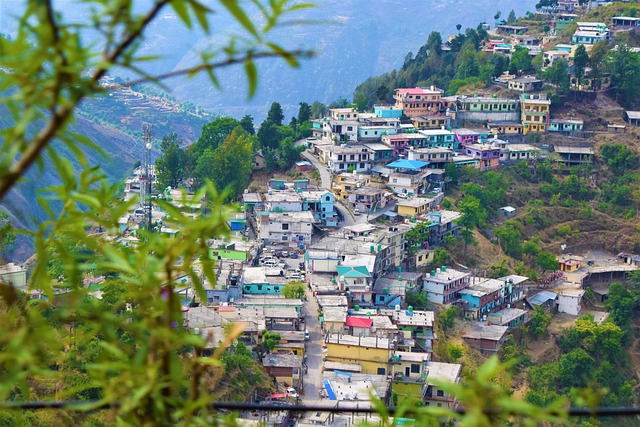
The Kedarnath Badrinath Yatra leads tourists to two of the holiest destinations in Uttarakhand via road from Delhi. It is a journey that makes you feel better mentally. The trip starts in Delhi and proceeds via stunning plains, river valleys, and the grand Himalayan passes. It has the proper amount of religious commitment and natural beauty. This yatra goes through Kedarnath, where Lord Shiva resides, and Badrinath, where Lord Vishnu lives. It is a profoundly religious experience. People who travel by road can enjoy a leisurely climb, stunning views, and well-planned rest stations that make the trip more enjoyable. The program includes clean places to stay, comfortable transportation, and delicious vegetarian meals. Tour organizers and local advisors who know a lot about temples, ceremonies, and spiritual insights might aid. Taking adequate rest days and staying overnight can help pilgrims grow used to living at a high level. Along the route, you can also view breathtaking Himalayan scenery, flowing rivers, and calm spots. The Kedarnath Badrinath road yatra from Delhi makes sure that families, older persons, and first-time pilgrims are safe, comfortable, and emotionally uplifted on their journey to the Himalayas.
1. Journey Begins from Delhi
The yatra starts in Delhi, where well-planned road travel takes pilgrims from the congested city to the tranquil pilgrimage pathways in the Himalayas.
2. Scenic Himalayan Road Travel
While on the yatra, pilgrims see stunning mountains, rivers, woods, and valleys from the roadways. This makes the trip worth it both in terms of what you see and how you feel.
3. Kedarnath Temple Darshan
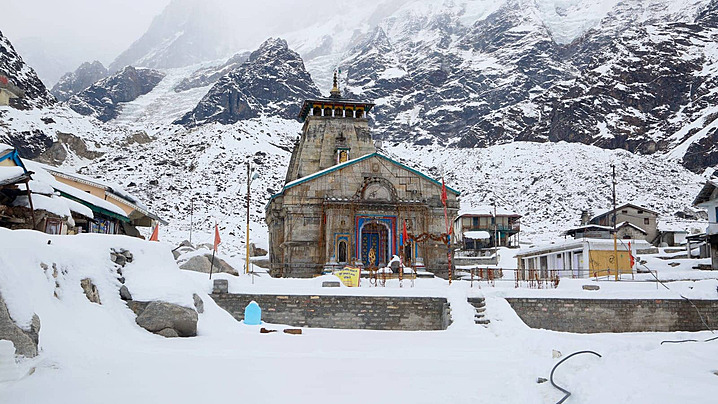
People can visit Kedarnath, the sacred shrine of Lord Shiva, as part of the journey. It is a spot where they can do rituals in a beautiful Himalayan backdrop.
4. Badrinath Temple Visit
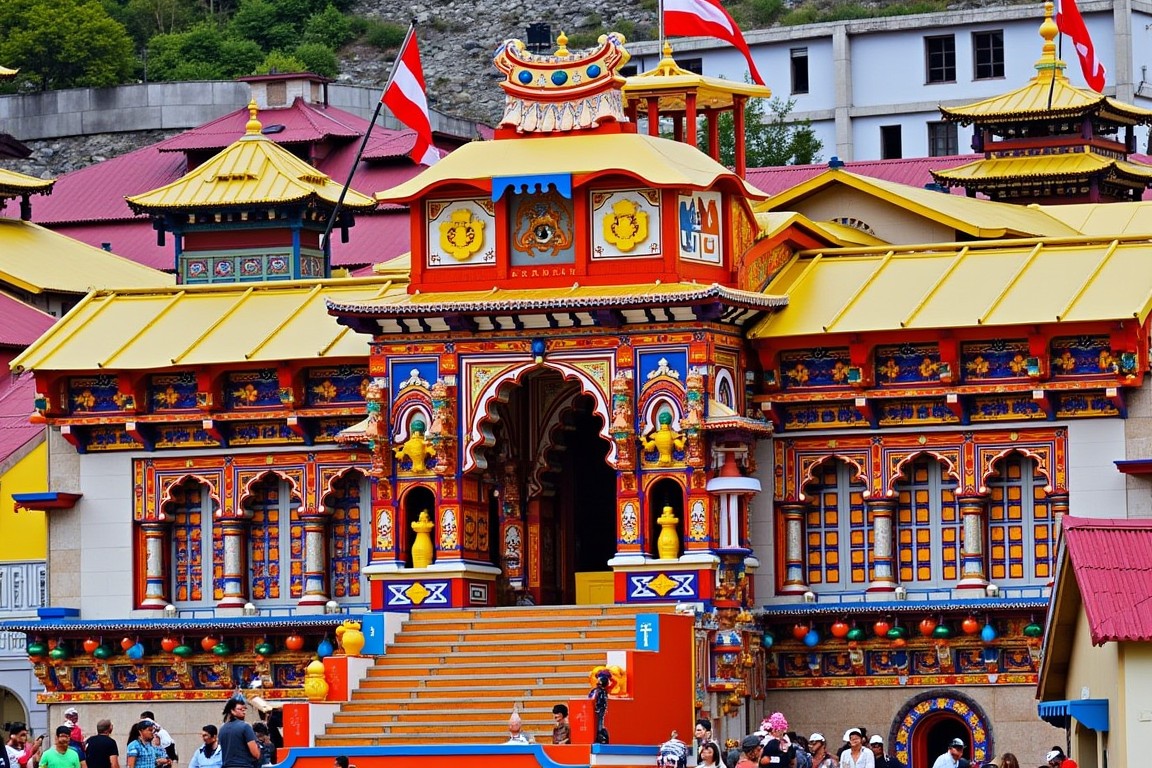
People go to Badrinath, which is the holy home of Lord Vishnu. There, regulated darshan and rituals make the spiritual experience calm and fulfilling.
5. Comfortable Accommodation
Clean hotels or dharamshalas with basic services are set up for overnight stays. They are wonderful locations to rest after a hard day of touring or seeing temples.
6. Vegetarian Meals
Along the route, pilgrims are given excellent vegetarian meals to keep them healthy, full of energy, and comfortable.
7. Guided Spiritual Support
Tour guides and organizers help pilgrims with rituals, temple procedures, and spiritual insights, which makes the whole yatra experience better.
8. Serene Himalayan Experience
The yatra takes place in the serene Himalayas, where the fresh mountain air and breathtaking views help people relax, focus, and ponder.
| What’s Included | What’s Excluded |
|---|---|
| The Kedarnath Badrinath By Road Ex-Delhi package was meticulously put together to make the trip easy, enjoyable, and well-planned for everyone. This package takes care of all the key logistics of a safe trip to the Himalayas so that participants may focus on their commitment instead of how to get there. Transportation is prepared from the beginning of the journey in Delhi. The cars are well-maintained and driven by experienced mountain drivers who know how to get around in terrible weather and rugged terrain. There are clean, comfortable hotels or guesthouses at each site that are suitable for pilgrimage travel and offer a place to stay. Every day, there are vegetarian lunches to keep you going on long hikes and travel days. The itinerary is properly planned, with breaks for rest, safe travel times, and good coordination of darshan. Pilgrims can get basic aid on the ground at important places along the road to help them find their way when they visit temples or change routes. All the things that are included are prepared very carefully, taking into mind the area's problems and the high altitude. This makes sure that the Kedarnath Badrinath yatra is safe, balanced, and spiritually satisfying. | All Kedarnath Badrinath by-road ex-Delhi pilgrimage trips must follow these rules. They are meant to make the trip easy to plan, safe, and clear. Travelers agree to follow these rules when they make a reservation. They were made with the difficult geography, uncertain weather, bad roads, and government rules of the Himalayas in mind. We will try our best to stick to the planned route, but things could change if there are landslides, heavy rain, road closures, or orders from local authorities to deal with crowds at churches. This is up to the temple managers to decide when and how to get to darshan. There is no guarantee of a set or priority darshan. Travelers should be polite, follow the rules, and pay attention to what staff, drivers, and local officials say about safety. Travelers should make sure they stay in shape, and if they are older, they should definitely see a doctor before beginning their trip. The tour company is only in charge of setting up services. They are not responsible for any delays, problems, or losses that are out of their control. These rules are in place to protect both pilgrims and service providers and to make sure that the Kedarnath–Badrinath pilgrimage is safe, well-run, and emotionally significant. |
| 1. Delhi to Delhi Transportation The plan includes driving from Delhi to Kedarnath and Badrinath and back. The excursion is safe because the drivers are seasoned and know how to drive in the Himalayas. | 1. Travel to Delhi from Home City The package doesn't cover the cost of a traveler's bus, train, or car ticket from their home city to Delhi. Pilgrims have to figure out how to get to and from the starting point on their own. |
| 2. Clean and Comfortable Accommodation You can stay at clean hotels or guesthouses with basic amenities at all of the major locations. By choosing places to stay depending on where they are and how available they are, pilgrims can get a decent night's sleep on their journey. | 2. Pony, Palki, and Helicopter Services Don't expect to pay for pony, palki, or chopper rides during your trip to Kedarnath. You don't have to use these services, and their availability depends on the weather and the needs of each tourist. |
| 3. Daily Vegetarian Meals The offer includes two vegetarian meals a day, generally breakfast and dinner. The food is cooked in a clean way and is excellent for traveling on pilgrimage. They help people stay healthy whether hiking or driving for a long time. | 3. Medical Expenses and Personal Medicines It does not cover the costs of medical care, hospital stays, oxygen help, or getting personal drugs. People who are traveling should bring their own prescription drugs and simple first aid supplies. |
| 4. Well-Planned Travel Itinerary There is a scheduled schedule that includes set travel times, breaks, and overnight stays. This planning helps people feel less exhausted and ensures they reach their destinations on time, without having to deal with added stress from traveling. | 4. Travel Insurance and Emergency Coverage There is no trip insurance in the package. Pilgrims are told to get their own health or travel insurance in case of accidents, plan changes, or other issues that may arise during their trip. |
| 5. Kedarnath Trek Guidance People who are going to Kedarnath from Gaurikund get basic aid, like directions and help keeping track of time. You can rent a pony, palki, or helicopter on its own for an additional price if you need to. | 5. Personal Expenses and Optional Activities Personal costs like cleaning, calls, snacks, bottled drinks, tipping, shopping, and anything else that isn't on the agenda are not included in the price of the package. |
| 6. Assistance During Temple Visits Ground support professionals help guests arrange their trips to temples, select the proper line for darshan, and learn about the location. This makes sure that the trips to both the Kedarnath and Badrinath temples happen as planned and without any problems. | 6. Extra Stay Due to Weather or Road Conditions The visitor will have to pay for any extra food, lodging, or transportation that they need because of bad weather like delays, landslides, or road closures. |
| 7. Experienced Mountain Drivers Drivers learn how to handle mountainous routes, steep hills, and changing weather. It is very crucial that they know how to keep everyone safe on the pilgrimage. | 7. Special Darshan or Ritual Charges This doesn't include VIP darshan, special poojas, traditions, or gifts at temples. Only people who work for the temple can offer these services, and visitors must plan and pay for them on their own. |
| 8. Basic On-Ground Support During the yatra, basic help is available on the ground to help with logistics, route updates, and general support. This makes sure that pilgrims can seek help when they need it on their route. | 8. Costs Arising from Force Majeure Situations Costs that come up because of things like natural disasters, strikes, government orders, or other "force majeure" events are not covered. In these situations, the visitor is in charge of any extra costs that come up. |
When you book a Kedarnath Badrinath By Road Ex-Delhi plan, you must follow these rules. These are there to make sure the journey goes well, stays safe, and is easy to understand. People who book a trip agree to follow these rules, which were created because of how hard it is to travel in the Himalayas due to changing weather, road limits, and government rules. We do our best to stick to the planned route, but things could change if there are floods, bad weather, decisions made by the temple administration, or orders from the local government. Darshan availability depends on temple management and attendance. There is no guarantee or order for darshan. People who travel are expected to be polite, follow safety rules, and honor the traditions of the places they visit. What the tour operator is responsible for is only offering services. They can't be held responsible for things that are out of their hands. The Kedarnath Badrinath Yatra is meant to be safe, well-organized, and emotionally satisfying. These rules are meant to protect the rights of both pilgrims and service providers.
1. Booking Confirmation and Payment Policy
Bookings can only be guaranteed once the required amount has been paid in advance. The last bit of money needs to be paid before the trip. The contract can be broken without any fees if payments are late or not made at all.
2. Itinerary Changes and Route Adjustments
The plan may need to be changed because of bad weather, roadblocks, or administrative issues. These changes are meant to keep travelers safe, and people who have to make path changes because they can't help it won't get paid back.
3. Temple Darshan Regulations
The people who work at the temple decide when and how to do darshan. You can't be sure of a certain time for darshan, VIP admission, or being a part of a special ceremony. Pilgrims must follow the rules and wait in line at the temple.
4. Health, Fitness, and Medical Responsibility
Travelers are responsible for their own health and exercise. You need to get medical clearance before you go on vacation. Any sickness, health issues, or medical situations that happen during the trip are not the operator's fault.
5. Weather Conditions and Force Majeure
If there are delays or cancellations because of bad weather, landslides, strikes, or government orders, the provider is not responsible. Any extra costs must be paid for by travelers.
6. Accommodation and Facility Limitations
People are given places to stay based on what's available in the area. Facilities are easy in places that are high up. Changes to rooms or special requests can only be made if they are accessible, and they might cost extra.
7. Traveller Conduct and Safety Compliance
Travelers should do what their guides, drivers, and other staff tell them to do. If you don't follow safety rules, act badly, or fail to do so, you might lose your service and not get your money back.
8. Liability and Personal Belongings
Personal things that are lost, stolen, or broken are not the tour operator's responsibility. Pilgrims must keep their luggage, papers, and personal items safe while they are on the trip.

Char Dham Yatra organizes budget and deluxe luxury tours to various hindu pilgrimage destinations in India. Char Dham Yatra offer Char Dham Travel Guide with latest Chardham Packages at affordable prices.


