

What's app & Call Number: +91 9350567403 , Emergency Number: +91 8816013075

info@char-dham-yatra.in
What's app & Call Number: +91 9350567403 , Emergency Number: +91 8816013075
info@char-dham-yatra.in
 Tour
Gangotri Yamunotri Ex-Haridwar
Tour
Gangotri Yamunotri Ex-Haridwar
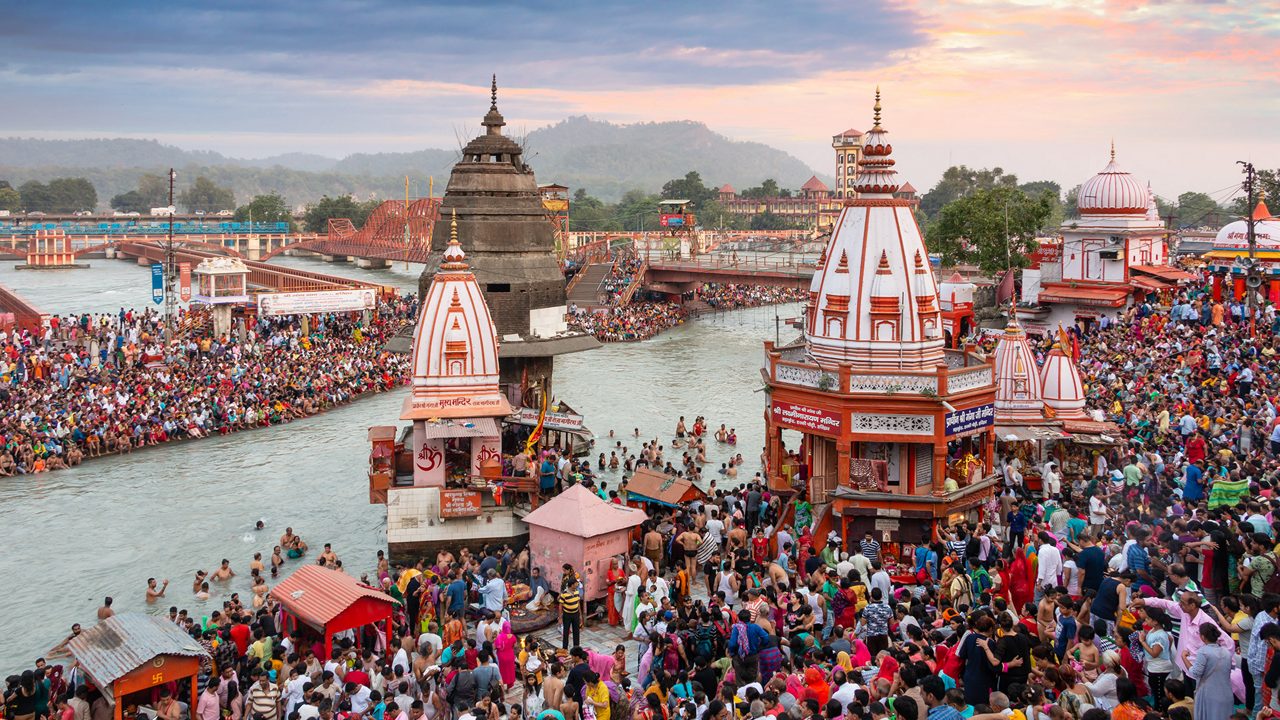
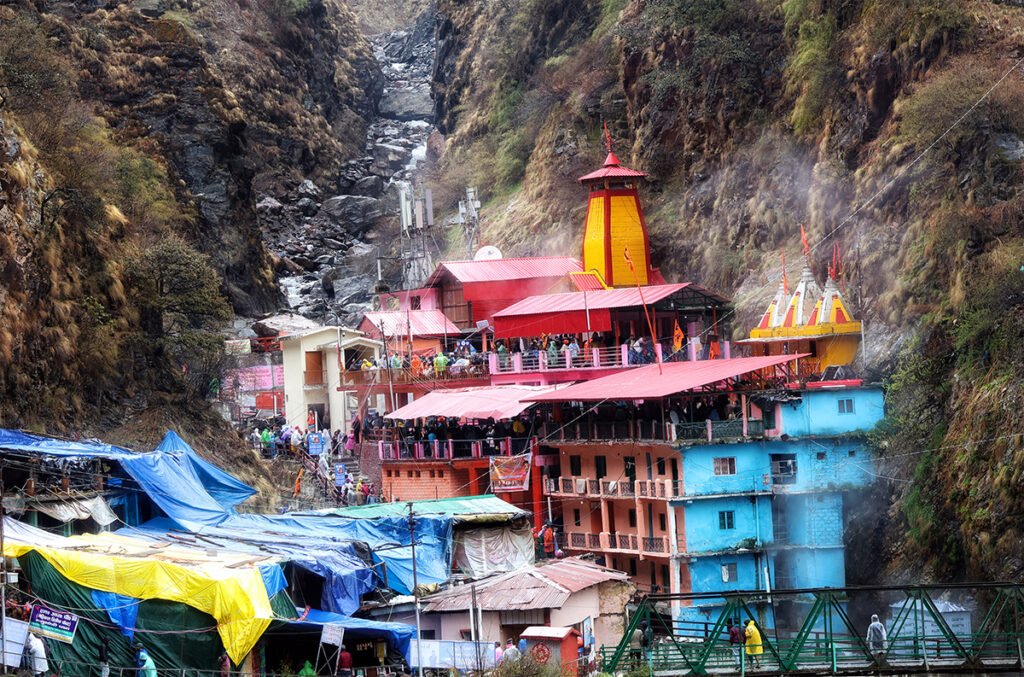
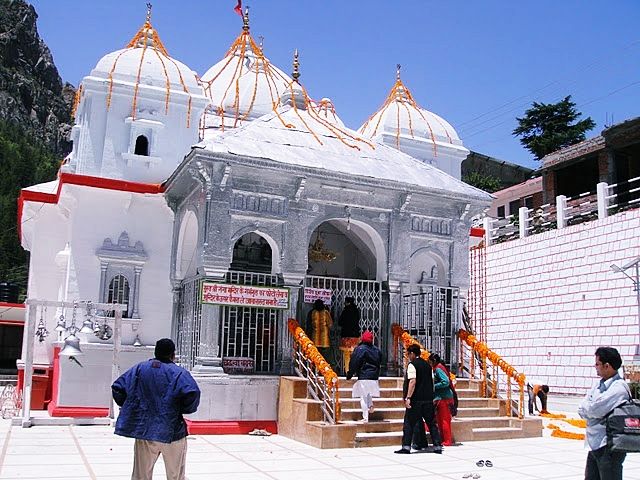
Gangotri Yamunotri Ex-Haridwar – Overview
From Haridwar, the Gangotri Yamunotri Yatra takes people to the holy sources of the Ganga and Yamuna rivers. It is a spiritually fulfilling trip. The trip starts in Haridwar, which is one of the holiest places in India. It then goes through thick forests, beautiful hill towns, and river valleys. This yatra is great for pilgrims who don't want to leave big towns but still want a peaceful and well-organized spiritual experience. Followers are kept safe and comfortable on carefully planned road trips while they enjoy the beautiful mountain scenery. To make the pilgrimage easy and important, there are nice places to stay, lots of meals, and guided tours of temples. People who visit the Yamunotri and Gangotri temples have a lot of time for darshan, traditions, and spiritual thought. You can also see beautiful, untouched nature, rivers that flow, and quiet Himalayan settings during the yatra. Pilgrims can focus on their faith, not their journey, thanks to experts, local guides, and good logistics. With its spiritual content, beautiful scenery, and easy journey, this yatra from Haridwar is just what you need. The trek in the Himalayas will be amazing and good for the soul.
1. Sacred Starting Point: Haridwar
The starting point of the yatra is Haridwar, a holy city on the Ganges. Before the group goes on to the Himalayan trek route, this sets a very spiritual tone.
2. Comfortable Road Journey
You can get there by driving through beautiful mountain roads. The trip is nice and slow, and you can stop to enjoy the views of the Himalayas.
3. Yamunotri Temple Visit
Pilgrims go to Yamunotri, where the River Yamuna starts, to pray, do rituals, and see the holy site. It is a peaceful place with snow-covered hills all around it.
4. Gangotri Temple Darshan
The trip then goes to Gangotri, the holy place where the Ganga River starts. This is where travelers can have a peaceful meeting with God in a holy place.
5. Comfortable Accommodation
There are clean hotels or dharamshalas set up for people to lodge for the night. After a long trip and visits to churches, these places are quiet and have everything you need.
6. Vegetarian Meals
It is planned that pilgrims will eat healthy vegetarian meals while on the trip so that they stay healthy and have energy for both the journey and spiritual activities.
7. Guided Spiritual Experience
Pilgrims learn more about their spirituality when experienced guides talk to them about the myths, traditions, and cultural importance of both places.
8. Peaceful Himalayan Environment
The yatra gives you time to think and focus while you're in the peaceful Himalayas, where rivers flow and the air is clean. This improves the spiritual experience.
| What’s Included | What’s Excluded |
|---|---|
| The Gangotri Yamunotri Yatra from Haridwar is well thought out to make sure that pilgrims have a safe, pleasant, and emotionally fulfilling journey. Your trip from Haridwar is planned out ahead of time and will be in nice cars driven by experienced mountain drivers who will keep you safe the whole time. Travelers can unwind in clean, basic hotel rooms or dharamshalas after long trips and temple visits. People eat breakfast, lunch, and dinner every day as vegetarians at clean places along the way to stay healthy and full of energy. Pilgrims are helped along the way by tour organizers and local guides who know a lot about the religious, cultural, and historical importance of Yamunotri and Gangotri. Some people offer temple viewing help to make sure that their rituals can be done without any issues. The plan outlines all the necessary permits, entry fees, and city taxes. To keep everyone safe and quiet during the yatra, there is basic medical care and emergency help open. Pilgrims don't have to worry about travel plans or daily tasks while they are in the Himalayas. They can just pray, be devoted, and enjoy the peaceful beauty of the mountains. | The Gangotri Yamunotri Yatra from Haridwar has most of the information you need for a smooth trip. But it doesn't cover all of your extra and personal spending. The coverage does not include items you purchase for yourself, as gifts, or during your vacation. You should buy travel insurance on its own to protect yourself from unexpected medical issues, trip delays, or cancellations. The plan does not cover personal medical bills, such as prescriptions, doctor visits, or hospital stays for anything more than basic first aid. The meal plan doesn't include extra meals, snacks, drinks, or specific dietary needs. Pilgrims have to pay extra for items they don't need, including mule or pony rides, porter fees, or more aid with the Yamunotri trek. You don't get your own clothes, toiletries, shoes, walking sticks, or electronics. They also don't cover any unexpected costs that arise due to severe weather, floods, obstructions, or unforeseen modifications to the plan. To minimize complications, pilgrims should make sure they have adequate money with them and plan ahead for their own needs. Knowing about these exceptions helps people get ready for the yatra and makes sure they enjoy a peaceful, well-planned, and spiritually centered event without any hidden charges. |
| 1. Transportation from Haridwar From Haridwar, you can easily get around on the road for the whole yatra. This means that you will be safe going through the mountains in well-kept vehicles driven by skilled people. | 1. Personal Expenses The yatra package doesn't cover pilgrims' shopping, donations, souvenirs, or other purchases |
| 2. Accommodation For travelers who have come a long way, there are clean places to stay the night called dharamshalas. These places have clean rooms, not many amenities, and a calm atmosphere. | 2. Travel Insurance You should get travel insurance on its own in case of a medical emergency, a canceled trip, or an unanticipated danger that comes up during your trip. |
| 3. Vegetarian Meals As part of the trip, pilgrims are fed three clean vegetarian meals a day: breakfast, lunch, and dinner. This keeps them healthy and energized. | 3. Medical Expenses The package does not pay for any medical services, drugs, or hospital visits that are more than basic first aid. |
| 4. Temple Darshan Assistance It makes it easier for travelers to complete their rituals and have a peaceful spiritual experience at both Yamunotri and Gangotri darshan because they get help with either one. | 4. Extra Meals & Beverages Pilgrims need to prepare their own meals, snacks, bottled drinks, and special diet needs that aren't addressed by the food plan. |
| 5. Tour Coordinator & Guide Experienced tour leaders and local guides lead the group and help with things on the ground. They also share spiritual thoughts and historical facts. | 5. Optional Trek Services You will have to pay more for things like mule rides, pony rides, palanquin services, and porters that you need for the Yamunotri walk |
| 6. Sightseeing En Route Along the way, there are short stops for sightseeing and beautiful lookouts where travelers can easily enjoy the Himalayas, rivers, and other natural beauty. | 6. Personal Belongings People who are going on a pilgrimage should pack their own clothes, toiletries, shoes, rain gear, and other things they need |
| 7. Permits & Taxes Pilgrims don't need to worry about papers because the trip includes all the permits, fees, and taxes needed to enter the temple. | 7. Weather or Route Disruptions If poor weather, landslides, road closures, or alterations to the route generate extra expenditures, pilgrims have to pay for them. |
| 8. Emergency & Medical Support During the yatra, basic medical care and emergency help are provided 24 hours a day, seven days a week, to make sure that everyone is safe and happy and can get help right away if they need it. | 8. Miscellaneous Costs The bundle doesn't cover any fees that aren't specified in the "What's Included" section. This includes any last-minute purchases or expenses that are only for that area. |
People who are traveling from Haridwar to Gangotri Yamunotri Yatra undertake to observe all of the regulations and requirements given below. The goal is for this trip to be safe, comfortable, and spiritually gratifying. But how well it goes will depend on the weather, how easy it is to get on and off the highways, and how effectively the pilgrims work together. Everything, including transportation, housing, and meals, is subject to availability. The tour company might also adjust the itinerary if it needs to for safety or operational reasons. For the whole trip, pilgrims must have a valid government-issued photo ID and the right registration papers with them. You must make a reservation and pay on time to hold your position. Floods, heavy rain, snow, barricades, or other natural or unexpected disasters that cause delays, route adjustments, or cancellations are not the tour company's fault. When pilgrims are on the road, hiking, or going to a temple, they need to be very attentive about safety. The traveler is responsible for any unexpected charges that come up because they are negligent, sick, need emergency medical care, or change their intended route. The rules you agreed to when you booked will tell you how to cancel and get your money back. Travelers who take part in this yatra pledge to follow these guidelines and exhibit spiritual respect the whole time so that the trip goes smoothly and is something they will always remember.
1. Booking Confirmation
A yatra reservation is only official if the required deposit or full payment has been made. All reservations rely on space, especially during busy travel times.
2. Travel Documents
Pilgrims need to have a government-issued photo ID and the right registration paperwork with them. You might not be able to go or see the temple if you can't show your papers.
3. Accommodation & Meals
The options for lodging and meals depend on what is available. The trip operator can offer different hotels or dharamshalas of the same class if necessary.
4. Weather & Natural Conditions
Heavy rain, snowfall, landslides, or other natural disasters that the tour operator can't control may cause delays, cancellations, or adjustments to the route.
5. Safety & Conduct
When pilgrims travel, hike, or go to a temple, they must always obey the laws of safety. If you do something wrong, aren't disciplined, or don't pay attention, you could be tossed out of the yatra.
6. Health Responsibility
They are responsible for their own health and fitness as pilgrims. Everyone is responsible for paying for medical care that goes beyond basic first aid.
7. Cancellations & Refunds
You must adhere to the cancellation and refund policies you received at the time of reservation. When you ask for a refund, how well it works and the conditions of the yatra will all affect whether or not you get one.
8. Liability Disclaimer
The tour operator is not responsible for any damage, accidents, injuries, diseases, or losses that occur because of things that were beyond their control.

Char Dham Yatra organizes budget and deluxe luxury tours to various hindu pilgrimage destinations in India. Char Dham Yatra offer Char Dham Travel Guide with latest Chardham Packages at affordable prices.


