

What's app & Call Number: +91 9350567403 , Emergency Number: +91 8816013075

info@char-dham-yatra.in
What's app & Call Number: +91 9350567403 , Emergency Number: +91 8816013075
info@char-dham-yatra.in
 Tour
Gangotri Yamunotri By Road Ex-Delhi
Tour
Gangotri Yamunotri By Road Ex-Delhi
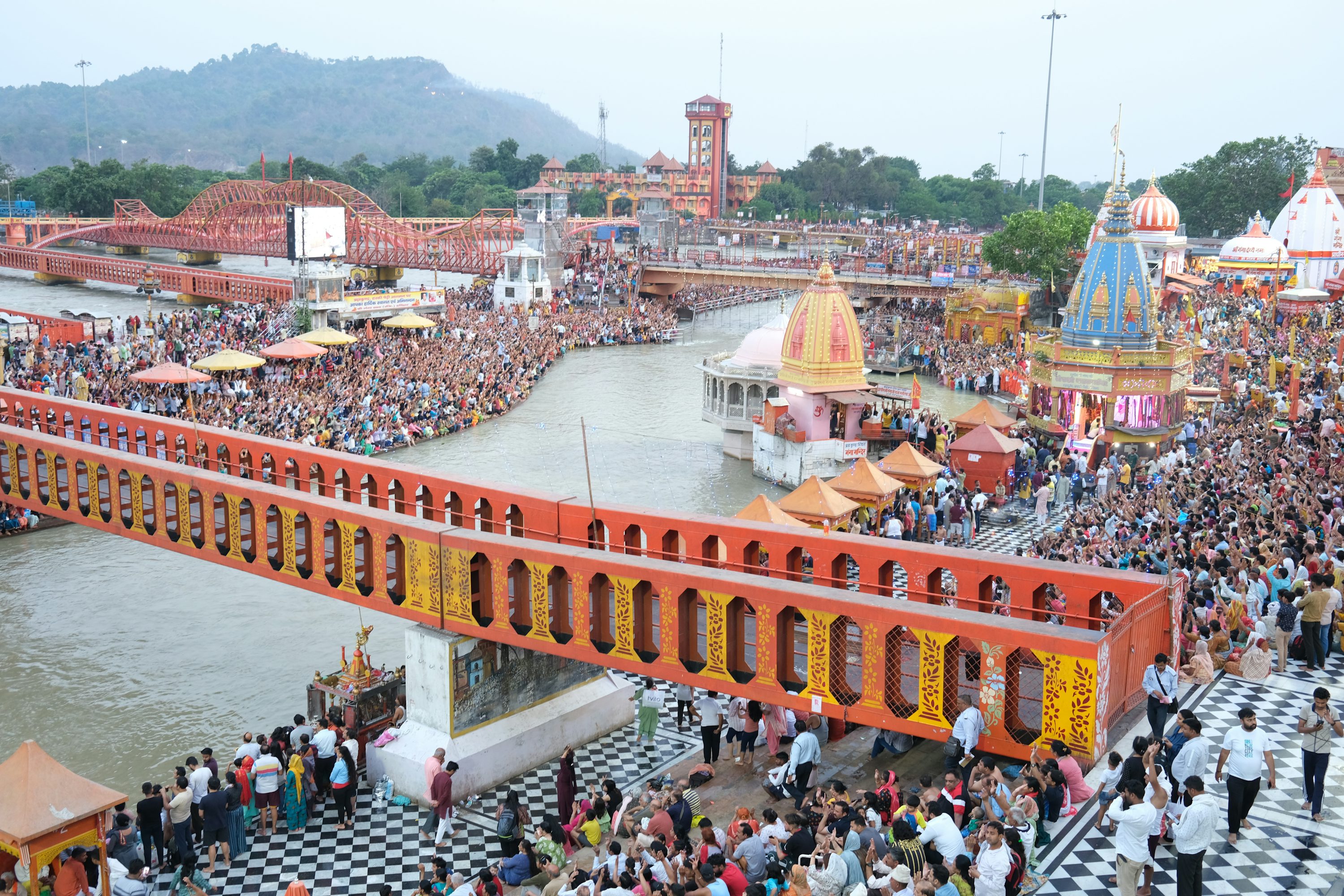
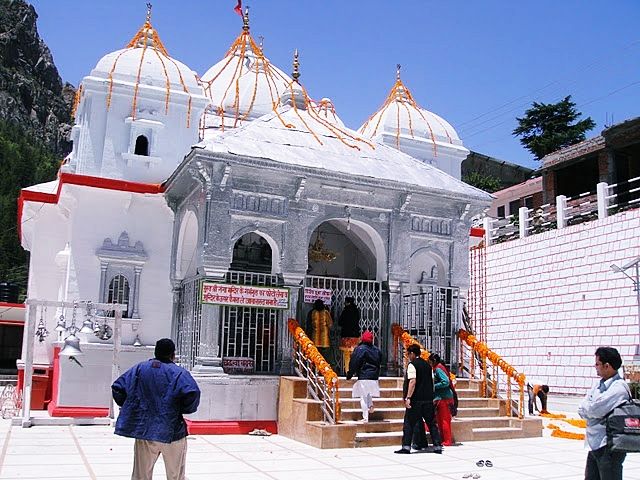
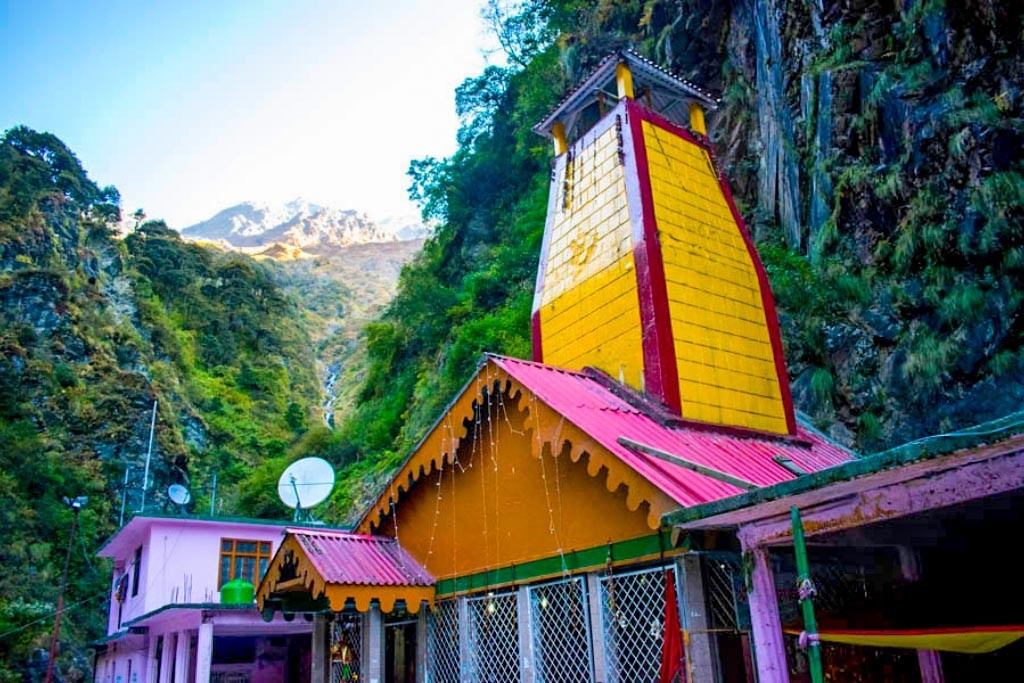
Gangotri Yamunotri By Road Ex-Delhi – Overview
The Gangotri Yamunotri Yatra is a serene and inspiring tour through the picturesque Himalayas by road from Delhi. On this yatra, pilgrims can see where the Ganga and Yamuna rivers start. Devotees from Delhi travel in luxury cars on beautiful routes that go through green valleys, deep woods, and attractive cities in the Himalayas. The trip should be as easy as possible, with good plans for transport, hotel, and meals that will protect you from getting too tired and help you get the most out of your spiritual experience. As a pilgrim, you can undertake rituals, take holy baths in the sacred waters, and go to temple activities in your area. Knowing about the mythological, historical, and cultural significance of Gangotri and Yamunotri makes the trip more meaningful. Safety, cleanliness, and comfort are the most important things during the complete trip. There are stops for rest and overnight stays in beautiful hotels or dharamshalas. The road journey lets fans explore the Himalayas' unspoiled grandeur, with views of snow-capped peaks, flowing rivers, and tranquil landscapes. The Gangotri Yamunotri yatra is a remarkable pilgrimage since everything is taken care of ahead of time, so pilgrims may focus on their devotion, spiritual thoughts, and the therapeutic powers of the Himalayas.
1. Departure from Delhi
People begin their yatra in Delhi in cars with air conditioning. This makes sure they have a comfortable drive through the plains and mountains to reach the holy locations in the Himalayas.
2. Scenic Road Journey
The road journey is just as good for your mental health as going to the temples because it provides lovely vistas of valleys, rivers, woods, and the Himalayas.
3. Accommodation
Pilgrims can stay the night in clean hotels or dharamshalas, which have clean bathrooms, friendly staff, and comfortable beds where they can rest after a long day of walking.
4. Meals
Pilgrims eat vegetarian meals every day, like breakfast, lunch, and dinner, in hygienic settings to keep them healthy and full of energy during the yatra.
5. Temple Darshan
There are preparations for priority darshan at the Gangotri and Yamunotri temples. This shortens the time people have to wait, which makes the spiritual experience better for everyone.
6. Guided Insights
Local guides with a lot of knowledge explain to you a lot about the history, legends, traditions, and symbolism of Gangotri and Yamunotri. This makes the overall pilgrimage experience better.
7. Safety & Support
During their trek, pilgrims can obtain help with anything, from medical care to travel advice to emergency help. This ensures kids are safe and helps them feel better.
8. Spiritual Experience
During the yatra, pilgrims can relax, do rituals, and spend time in the calm Himalayas. This makes the trip highly spiritual and gives you a lot of energy.
| What’s Included | What’s Excluded |
|---|---|
| The Gangotri Yamunotri Yatra by road from Delhi is supposed to be an easy and emotionally fulfilling journey for pilgrims. The package includes pleasant rides in air-conditioned cars driven by trained professionals who are familiar with the Himalayas' roads and topography. People stay in clean, germ-free hotels or dharamshalas with comfy rooms and minimal facilities so they may get a decent night's sleep after lengthy trips. Clean places feed pilgrims vegetarian meals every day, including breakfast, lunch, and dinner. They eat these meals to stay energized during the yatra. Knowledgeable tour guides escort the group, sharing with them the history, stories, and traditions of the Yamunotri and Gangotri temples. There are prioritized arrangements for temple darshan that cut down on wait periods and enable devotees to focus on their spiritual activities. We take care of all licenses, admission fees, and local taxes, so pilgrims don't have to worry about paperwork. You can receive aid in an emergency any time of day or night. This includes basic medical care and support. The package also includes short trips and sightseeing to adjacent places and beautiful spots along the way, so pilgrims can take in the natural splendor of the Himalayas. The package makes all the required plans so that people may focus on their spirituality and enjoy the beautiful landscapes, rivers, and cathedrals without having to worry about how to get there or what to do each day. | The Gangotri Yamunotri Yatra package from Delhi includes almost everything pilgrims need for a comfortable and emotionally fulfilling trip. However, they will have to pay for some personal costs and extra services on their own. The package does not cover shopping, gift-buying, or other unplanned fun activities. You must buy travel insurance separately in case of illness or trip delay, as it isn't included. During the yatra, the pilgrim is responsible for any medical care, medicines, or trips to the hospital that aren't simple first aid. The breakfast, lunch, and dinner do not include extra meals, snacks, drinks, or special diets. To get to Yamunotri on your own, you will need to book extra services like mule or pony rides, porter help, or extra hiking help. Pilgrims have to bring their own things, like clothes, tools, electronics, and other things they need. Also, pilgrims are responsible for any extra costs that come up because of bad weather, roadblocks, natural disasters, or changes to the path that weren't planned. Many religious individuals plan ahead for their yatra by being aware of these exceptions. This way, their journey goes quickly, safely, and spiritually without any surprises. |
| 1. Transportation There are air-conditioned cars with experienced drivers who know how to drive on the routes in the Himalayas that go from Delhi to Yamunotri and Gangotri. | 1. Personal Expenses The pilgrims are responsible for their own souvenirs, shopping, and events that aren't on the planned schedule. |
| 2. Accommodation During the journey, you can stay in clean, well-kept hotels or dharamshalas with clean bathrooms, comfortable beds, and quiet rooms. | 2. Travel Insurance There is no travel insurance included in the package. You will need to buy it individually to cover emergencies, trip cancellations, and other unplanned events |
| 3. Meals Every day during the yatra, participants eat meatless meals for breakfast, lunch, and dinner at clean places to be healthy and full of energy. | 3. Medical Expenses The traveler is responsible for any medical care, medicines, or trips to the hospital that go beyond basic first aid. |
| 4. Temple Darshan Assistance There are signs and plans for seeing Yamunotri and Gangotri that help everyone have a better spiritual experience by cutting down on wait periods. | 4. Extra Meals & Snacks Pilgrims have to plan their own meals, snacks, drinks, and any other food needs that aren't met by the usual meals. |
| 5. Tour Guides Local guides who know a lot about the shrines' history, culture, and spirituality, as well as the adjacent Himalayan areas, are with the group. | 5. Optional Trek Services On the Yamunotri walk, you have to pay extra for things like mule or pony rides, porter fees, or extra help. |
| 6. Sightseeing & Excursions There are short journeys and sightseeing tours near the temples or on the road that make it simple for pilgrims to visit magnificent sites and Himalayan vistas. | 6. Personal Items Pilgrims need to bring their own clothes, tools, electronics, and other things that are unique to them |
| 7. Permits & Fees All of the temple fees, permits, and municipal taxes are paid ahead of time so that tourists may enjoy the yatra without having to worry about paperwork. | 7. Weather & Route Delays The deal does not cover additional costs incurred due to unplanned changes in plans, bad weather, or landslides. |
| 8. Emergency Assistance You can get help any time of day or night. This includes help with medical issues, travel, and a phone number to call in case of an emergency. This keeps everyone safe, healthy, and comfortable on the trip. | 8. Miscellaneous Expenses It's important to plan ahead for when you'll need cash for things like local sales, donations, or emergencies that happen when you least expect them. |
Pilgrims agree to all the rules and limits when they book the Gangotri Yamunotri Yatra package from Delhi. The package is meant to make the trip safe, enjoyable, and emotionally helpful, but you need to follow the rules really well for everything to go well. It's up to the organizers to make changes that aren't too big or too small if they need to. This includes travel plans, where to stay, and food. The right licenses and a photo ID must be with pilgrims at all times. You have to book ahead of time and pay in full to get a Yetra spot. The organizers are not responsible if the event is delayed or canceled or the path changes because of bad weather, natural disasters, or other events that they can't control. When you travel, walk, or go to a temple, you must follow safety rules. If the pilgrims make mistakes, get sick, or the path changes, they will have to pay for any extra costs that come up. The rules for canceling and getting a refund are the same as they were when the appointment was made. You may receive a refund if you make the withdrawal at the appropriate time. Pilgrims should plan ahead for their personal things, health precautions, and extra costs. People who go on the yatra follow these rules to make sure they have a smooth and memorable spiritual experience. This lets them focus on their faith and the peaceful Himalayan setting.
1. Booking Confirmation
Once you've paid in full and the organizers have accepted your Yatra reservation, you can sign up for it. Slots can only be used when they're open, which can be a problem during busy travel times.
2. Travel Documents
People on a pilgrimage must have a legal photo ID, permits, and travel documents with them. They might not be able to join if they don't.
3. Accommodation & Meals
There is no promise that hotels, dharamshalas, or meals will be available. Organizers can switch out options for ones that meet the same standards if they need to.
4. Weather & Natural Disruptions
People who put together the event are not responsible for landslides, snowfall, or other unplanned natural disasters that cause delays, cancellations, or changes in paths.
5. Safety Guidelines
Pilgrims must follow all safety rules when they travel, hike, and go to sites. You might miss out on things or put yourself in danger if you're not careful.
6. Personal Expenses
Pilgrims are responsible for any extra costs that come up for services that aren't required, mule rides, extra food, or medical emergencies.
7. Cancellations & Refunds
The rules given at the time of booking will apply to returns and cancellations. You might get some or all of your money back, depending on when and how the yatra happens.
8. Responsibility & Liability
The people in charge of the yatra make sure that everyone is safe and happy, but they are not responsible for any harm, loss, or damage that happens because of things they cannot control.

Char Dham Yatra organizes budget and deluxe luxury tours to various hindu pilgrimage destinations in India. Char Dham Yatra offer Char Dham Travel Guide with latest Chardham Packages at affordable prices.


